Regulations
Can You Fly a Drone in a National Park? The NPS Ban, the FAA Rules, and Where You Can Fly Instead
A Part 107 certificate does not get you into a national park. The ban comes from the Park Service, not the FAA, and it covers launching, landing and operating from park land.
Key takeaway
The national park drone ban is a Park Service land rule under 36 CFR 1.5, not an FAA airspace rule, so no Part 107 certificate or LAANC approval overrides it. Only the park superintendent's written approval does.
No, not without written approval. Since Policy Memorandum 14-05 in June 2014, the National Park Service has used its closure authority in 36 CFR 1.5 to prohibit launching, landing or operating a drone on NPS lands and waters. That applies to recreational and commercial flyers alike, and violating it is a misdemeanor carrying up to six months in jail and a $5,000 fine.
What confuses people is that the rule does not come from the FAA. Your Part 107 certificate, your LAANC authorization and your B4UFLY app all speak to the airspace. The national park ban speaks to the ground you stand on. Two different agencies, two different rulebooks, and passing the FAA's test does nothing about the Park Service's.
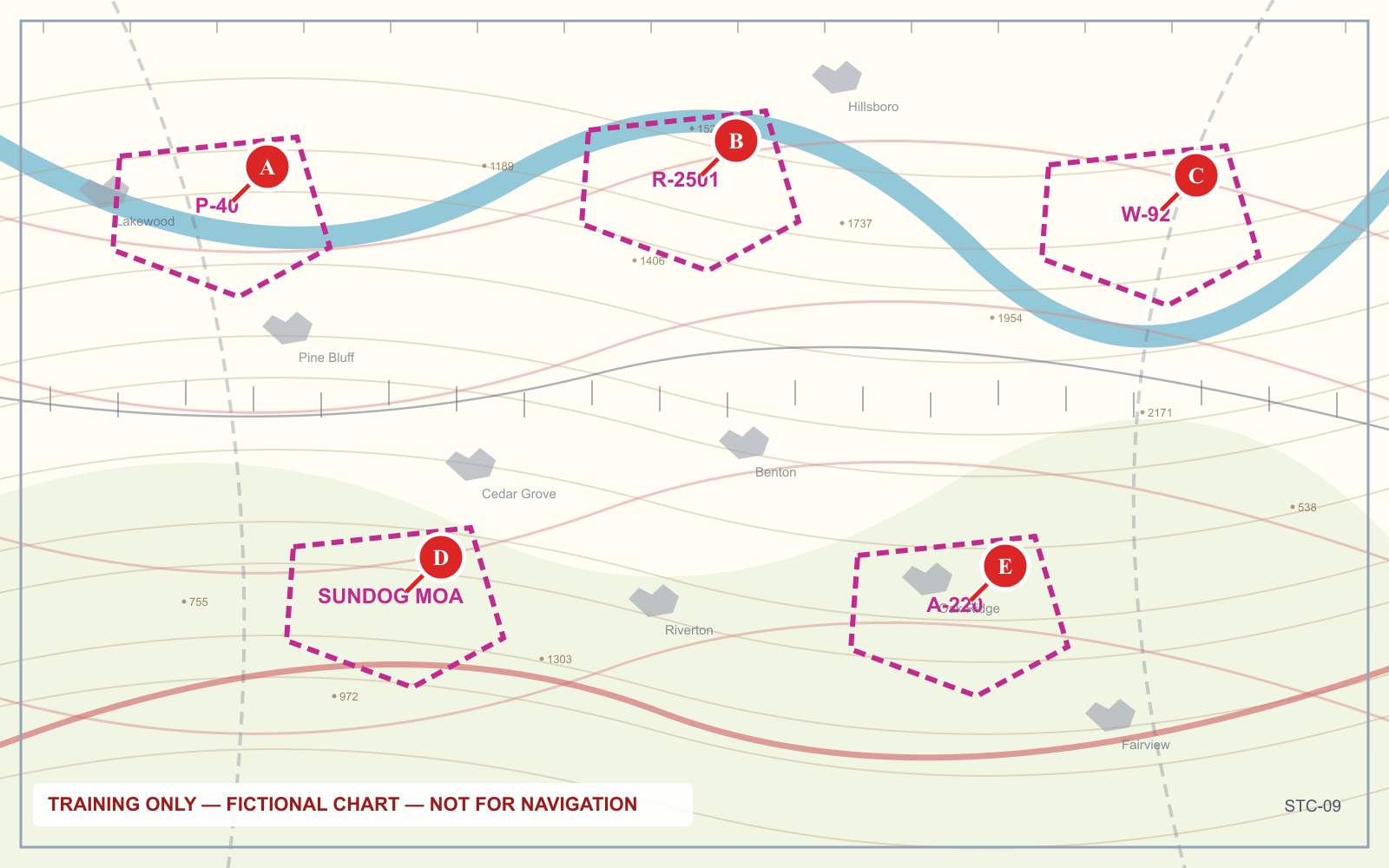
Why can't you fly a drone in a national park?
Because the Park Service decided drones conflict with what parks are for. The NPS explanation of the ban points to noise, visitor safety, disturbance of wildlife and interference with other visitors' experience. The memo came after parks had dealt with drones flown over crowds and near wildlife, with no single servicewide rule to point to.
The mechanism matters. 36 CFR 1.5 lets each park superintendent close an area or restrict an activity to protect resources and visitors. Policy Memorandum 14-05 directed every superintendent to use that authority against drones, and each park writes the prohibition into its Superintendent's Compendium, the park's own list of local rules. So the ban is technically a few hundred separate park closures that all say the same thing.
Who enforces it: the FAA or the Park Service?
The Park Service, through its law enforcement rangers. The NPS page is explicit that the policy "does not modify any requirement imposed by" the FAA, and that NPS jurisdiction ends at the park boundary. The two agencies control different things:
| FAA | National Park Service | |
|---|---|---|
| What it controls | The airspace | The land and water inside park boundaries |
| Rulebook | 14 CFR Part 107, 49 U.S.C. 44809 | 36 CFR 1.5 closures, the Superintendent's Compendium |
| What it restricts | Where and how you fly: altitude, airspace class, line of sight | Launching, landing and operating from park land |
| Over a national park | A voluntary request that aircraft stay 2,000 ft AGL | A prohibition, unless the superintendent approves in writing |
| Who enforces | FAA, civil penalties against your certificate | Park rangers, federal criminal charges |
That split is why a LAANC approval is irrelevant here. LAANC grants access to controlled airspace. Where a park sits in Class G airspace and no authorization is needed at all, the ban still applies, because it was never about the airspace.
What does the 2,000-foot line on a sectional mean?
Sectional charts outline national parks, wildlife refuges and wilderness areas. FAA Advisory Circular 91-36D asks pilots to fly no lower than 2,000 feet AGL over these noise-sensitive areas, measured from the highest terrain within 2,000 feet laterally of the route, or the rim of a canyon.
Two things to know. First, it is advisory, not regulatory. The AC is guidance for manned VFR flight, and nobody loses a certificate over it by itself. Second, a Part 107 drone cannot comply anyway, because 14 CFR 107.51 caps you at 400 feet AGL. For the exam, the takeaway is recognition: a park boundary on a chart tells you there is a land manager with its own rules underneath, not that the airspace is prohibited. Actual prohibited airspace looks like the P-areas in the panel above, and our guide to TFRs and special use airspace covers the difference.
What is the fine for flying a drone in a national park?
Up to $5,000 and six months in jail, according to the NPS. Violating a regulation in 36 CFR parts 1 through 7 is a federal criminal offense: 36 CFR 1.3 routes the penalty through 18 U.S.C. 1865. That maximum makes it a real misdemeanor, not a parking ticket.
The drone charge often does not arrive alone. The NPS lists related violations rangers can bring:
- 36 CFR 2.2, disturbing or harassing wildlife
- 36 CFR 2.34, disorderly conduct, including creating a hazard or nuisance
- 36 CFR 2.12(a)(3), operating a motorized device in undeveloped areas
A drone flown at a herd of bison can collect all three. And none of this touches your FAA certificate unless the flight also broke Part 107, in which case the FAA can act separately.
Can I fly a drone at Yellowstone, Zion or Yosemite?
No. They are all NPS units, so the servicewide ban applies, and each park's compendium repeats it. The same goes for national monuments, national seashores, national recreation areas and battlefields run by the Park Service. The name on the sign matters less than who manages the land.
That catches people out at sites managed by someone else. Some national monuments belong to the Bureau of Land Management or the Forest Service rather than the NPS, and their rules are different. Check the managing agency before you assume either way.
Can you get a permit to fly a drone in a national park?
Rarely, and not easily. The exception in the ban is written approval from the park superintendent. The NPS says it permits drone use for administrative purposes, namely search and rescue, fire operations, scientific study and aerial photography, and that special use permits may be considered case by case.
For commercial work, a commercial filming permit and drone approval are not the same thing. The filming permit covers the production. The drone still needs the superintendent's specific written authorization, and a permit without that line in it does not let you launch. Expect to apply well ahead, to justify why the imagery cannot be captured any other way, and to be told no more often than yes.
Where can you fly instead?
Public land is not one category. The rules change with the managing agency:
| Land type | Can you launch a drone? | Why |
|---|---|---|
| National park (NPS) | No, without superintendent approval | 36 CFR 1.5 closure under Policy Memorandum 14-05 |
| National forest (USFS) | Generally yes, following FAA rules | No servicewide ban; watch for wildfire TFRs |
| Designated wilderness (any agency) | No takeoff or landing | The Forest Service treats drones as motorized equipment and mechanical transport under the Wilderness Act |
| BLM land | Generally yes, outside wilderness | Per the BLM drone fact sheet; local restrictions exist |
| State parks | Depends on the state | Each state sets its own park rules |
National forests are the best alternative for landscape work, with two caveats. Designated wilderness areas inside a forest follow the wilderness rule, and those boundaries are not always obvious on the ground. And the Forest Service reports unauthorized drones near wildfires to the FAA and law enforcement, because a single drone can ground firefighting aircraft. Fire TFRs pop up quickly in summer, so check NOTAMs the morning you fly, not the week before.
What this means when you are actually working
A client wants sunrise footage of a famous overlook. Here is the sequence that keeps you out of court:
- Identify the land manager. Look at the managing agency, not the name. Many famous views sit in national forests or on BLM land next to parks.
- If it is NPS land, the answer is no unless the client has already started a permit conversation with the park. Say so early. It is a better conversation before you quote than after.
- If you launch outside the boundary, stay outside it. NPS jurisdiction ends at the boundary, but a drone that drifts over a crowded viewpoint or chases wildlife invites the wildlife and nuisance charges above. This is not a loophole to build a business on.
- Check the airspace separately. Leaving NPS land does not make the airspace open. Class, TFRs and NOTAMs still apply, and the remote PIC preflight checklist still starts from scratch.
The exam will not ask you about the NPS compendium. It will ask you to read the chart symbols and to know that the FAA governs the airspace. The job will ask you to know that the ground has its own owner.
Frequently asked questions
Can I fly my drone in a national park with a Part 107 certificate?
No. The Part 107 certificate is an FAA credential covering how you use the airspace. The national park ban is a Park Service land rule under 36 CFR 1.5, so the certificate does not override it. Commercial and recreational pilots face the same prohibition, and only written approval from the park superintendent creates an exception.
What is the fine for flying a drone in a national park?
The Park Service puts the maximum at $5,000 and six months in jail, because violating park regulations is a federal misdemeanor under 36 CFR 1.3. Rangers can add charges for disturbing wildlife under 36 CFR 2.2 or creating a hazard under 36 CFR 2.34.
Can I fly a drone at Yellowstone National Park?
No. Yellowstone is managed by the National Park Service, so the servicewide ban on launching, landing and operating drones applies, and the park's compendium repeats it. The same is true at Zion, Yosemite, Grand Canyon and every other NPS unit. Look for national forest or BLM land outside the boundary instead.
Can you fly a drone in a national forest?
Generally yes. The Forest Service has no servicewide ban, so you follow normal FAA rules. The exceptions are designated wilderness areas, where the Wilderness Act prohibits drone takeoff and landing, and wildfire areas, where TFRs are common and unauthorized drones are reported to the FAA and law enforcement.
Can I fly over a national park if I take off outside it?
NPS jurisdiction ends at the park boundary, and the FAA has no rule barring drones from the airspace over parks. But it is a gray area, not a green light. Flying over crowds, wildlife or visitors can still bring charges, and the FAA asks aircraft to stay 2,000 feet above parks.
Can you get a permit to fly a drone in a national park?
Only with the park superintendent's written approval, and it is uncommon. The NPS permits administrative drone use for search and rescue, fire, science and aerial photography, and says special use permits may be considered case by case. A commercial filming permit alone does not authorize a drone.
The exam tests the airspace side of this, not the land side. The free readiness assessment shows you whether you can read the chart symbols and airspace rules the FAA will actually ask about.
Sources
- Uncrewed Aircraft in the National Parks, National Park Service
- 36 CFR 1.5, Closures and public use limits
- 36 CFR 1.3, Penalties
- FAA Advisory Circular 91-36D, VFR Flight Near Noise-Sensitive Areas
- 14 CFR Part 107, Small Unmanned Aircraft Systems
- 14 CFR 107.51, Operating limitations for small unmanned aircraft
- Recreational Use of UAS on National Forest System Lands, US Forest Service
- Drones: Do and Don't, Bureau of Land Management fact sheet
Put this guide into practice.
Take the free assessment to see how this topic fits into your current exam readiness.
Start free practice